

General-Purpose Small-Angle Neutron Scattering Diffractometer
GP-SANS | CG-2 | HFIR
To support a broad range of scientific research, GP-SANS is equipped with a wide and highly diverse array of sample environments, including magnets, low-temperature cryostats, pressure cells, furnaces, and automated sample changers. Planning your sample environment is a critical step in a successful SANS experiment. While the list below provides the theoretical capability limits for our equipment, the practical settings you can achieve will depend heavily on the specifics of your proposed experiment. Please reach out to the instrument team to discuss your exact requirements so we can help you select the right setup for your science and ensure a strong, feasible user beamtime proposal.
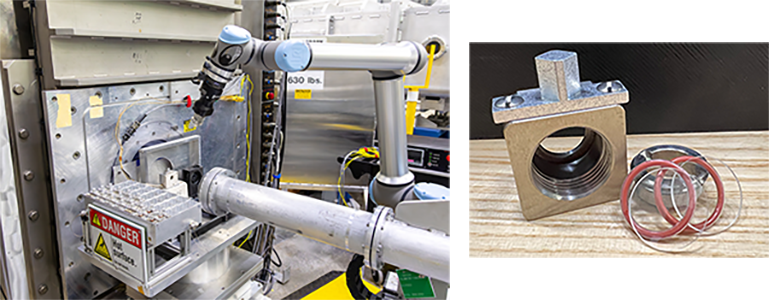
Robot furnace block
The heating block operates from 25 °C to 300 °C and is compatible with titanium cells. A side storage tray holds up to 40 cells at room temperature, and a robotic arm transfers cells in and out of the heating block as directed by the script.
Robot Peltier block
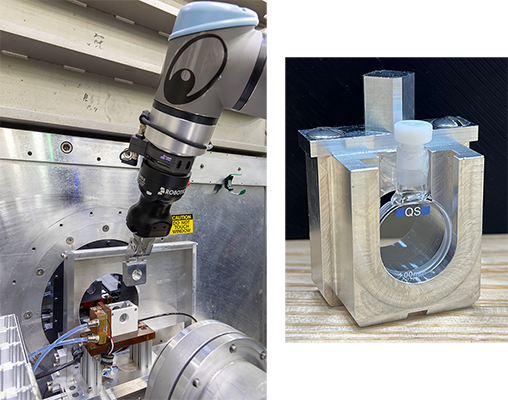
The Peltier block operates from –5 °C to 100 °C and supports both banjo and titanium cells. A side storage tray holds up to 40 cells and can be maintained either at room temperature or at the same temperature as the in‑beam sample position. A robotic arm transfers cells in and out of the block as directed by the script.
Tumbler Sample Changer
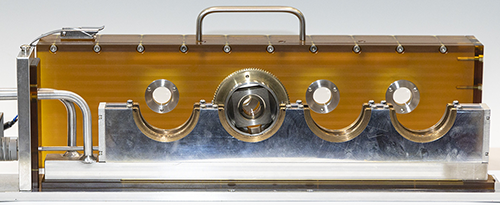
The tumbler sample changer is compatible with titanium cells and holds four samples. The tumbler rotates samples to ensure a homogenous mixture during the neutron’s flight path through the sample.
Rheometer
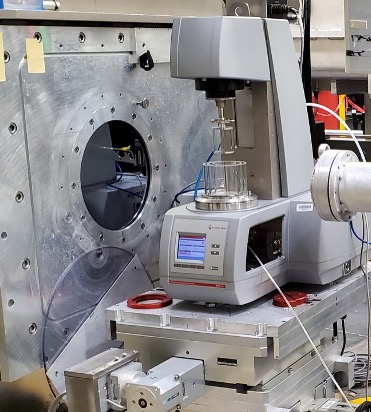
The Rheo‑SANS setup uses a rheometer with a temperature controller (10–200 °C) to enable simultaneous rheology and neutron scattering. It covers torques from 1 nNm to 230 mNm and normal forces from 0.001 N to 50 N. Interchangeable titanium Mooney‑Ewart concentric cylinders support 3–25 mL sample volumes, shear rates (up to 10,000 s-1; 10-7 to 628 rad/s frequency range), and neutron pathlengths of 1–2 mm.
Peltier Sample Changer
The Peltier sample changer holds 12 samples and has four temperature regions, with a temperature range of -10°C to 150°C.
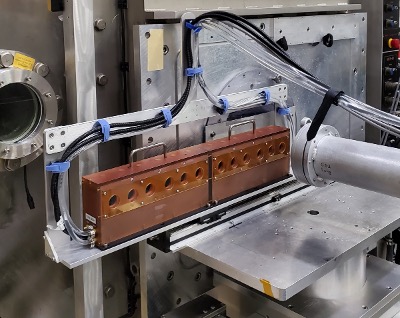
Humidity Chamber
The humidity chamber with a holder for thin films on substrates. Uses humidity generator to achieve humidity up to 95%.
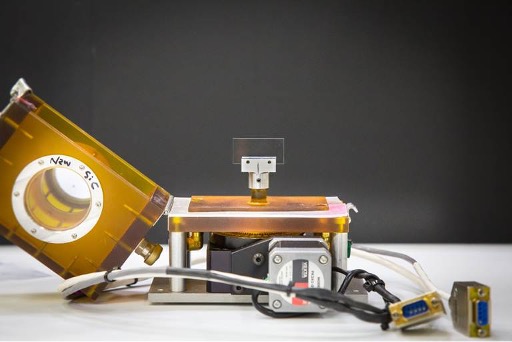
Extended Angle Pressure
The Extended Angle Pressure cell setup can use titanium cells to reach pressures up to 1 kbar and temperatures up to 200 °C for CO₂, CH₄, He, N₂, and Ar. It can also use stainless‑steel cells to reach pressures up to 300 bar and temperatures up to 200 °C for H₂/D₂ mixtures.
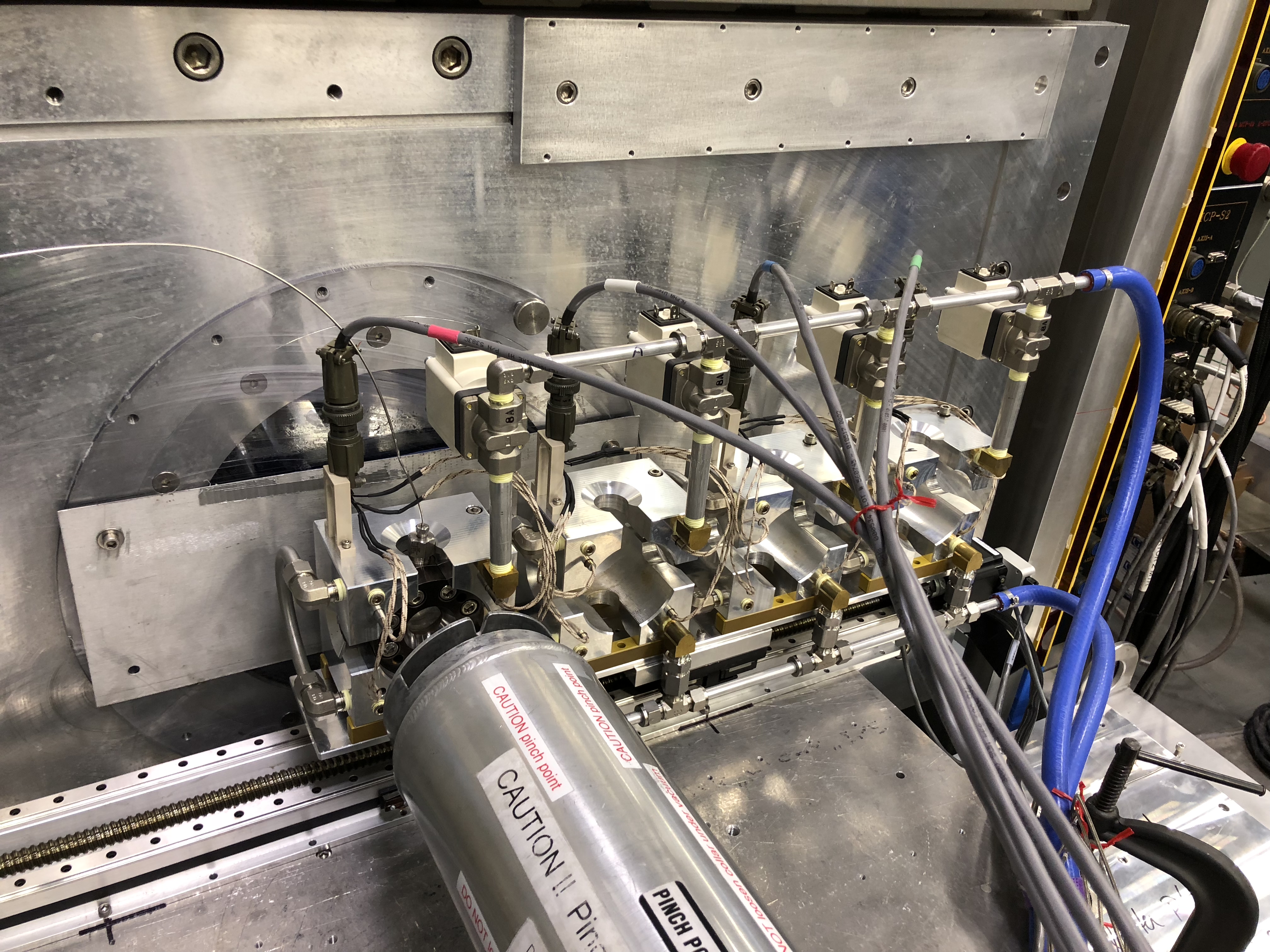
Atmosphere Tube Furnace
The atmosphere tube furnace has a maximum temperature of 1050°C. The open tube allows gas flow or air exposure in the tube.
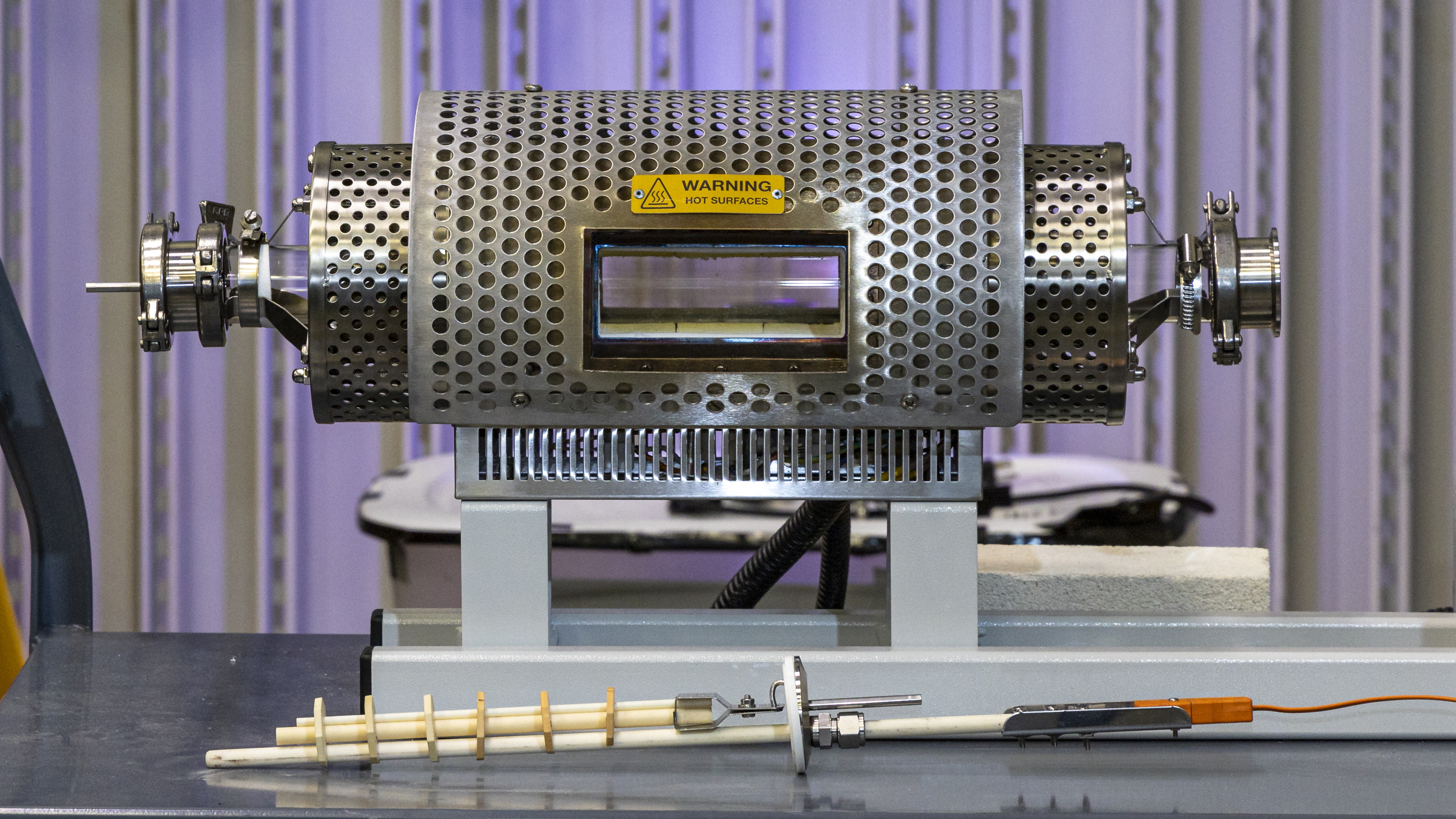
ILL Furnace
The ILL furnace is a vacuum furnace with an operating temperature up to 1300°C.
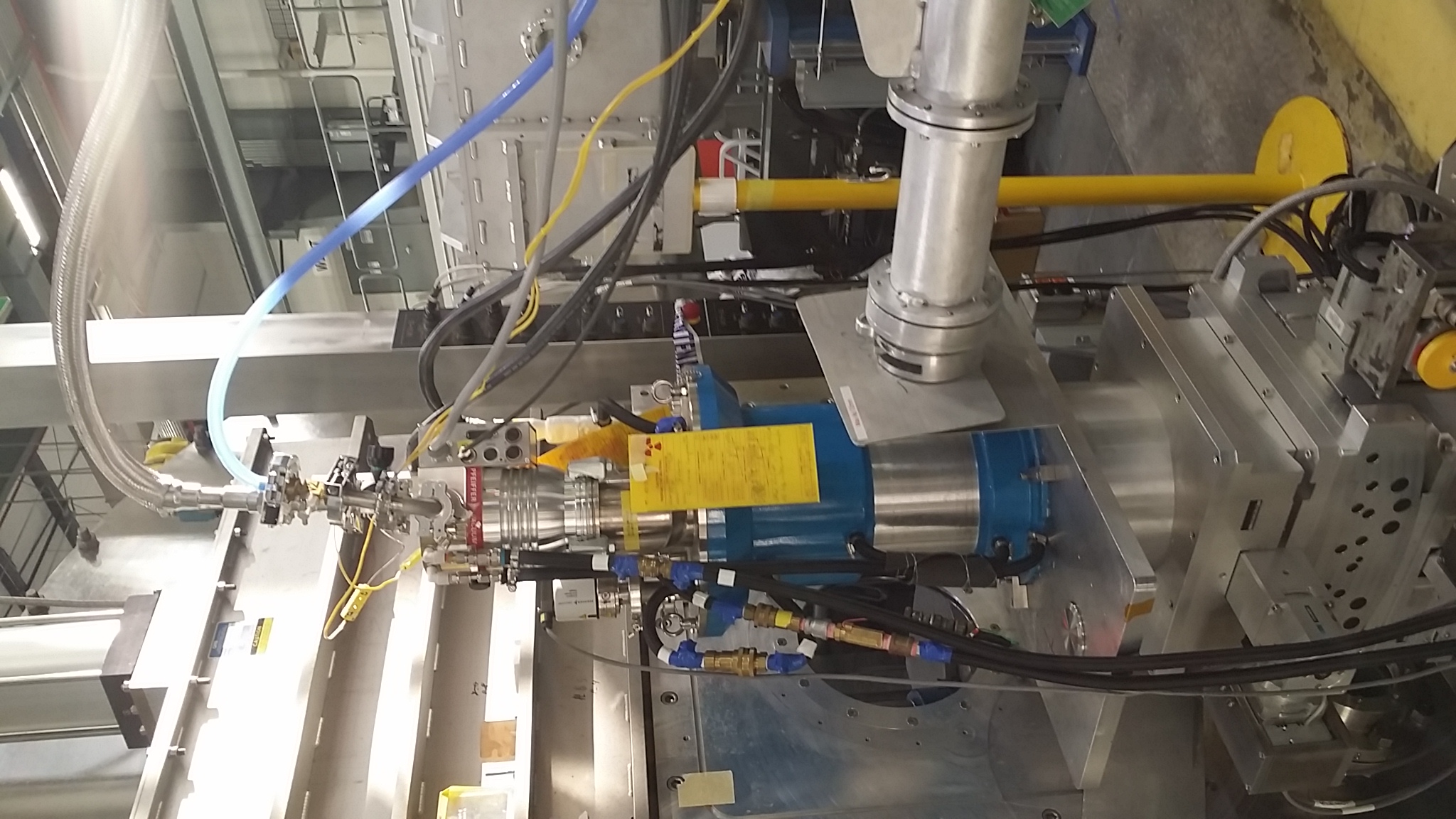
Mag-H
Mag-H can achieve up to 5T horizontal field. With the addition of a closed cycled refrigerator (ccr), samples can reach a minimum temperature of 5 K.
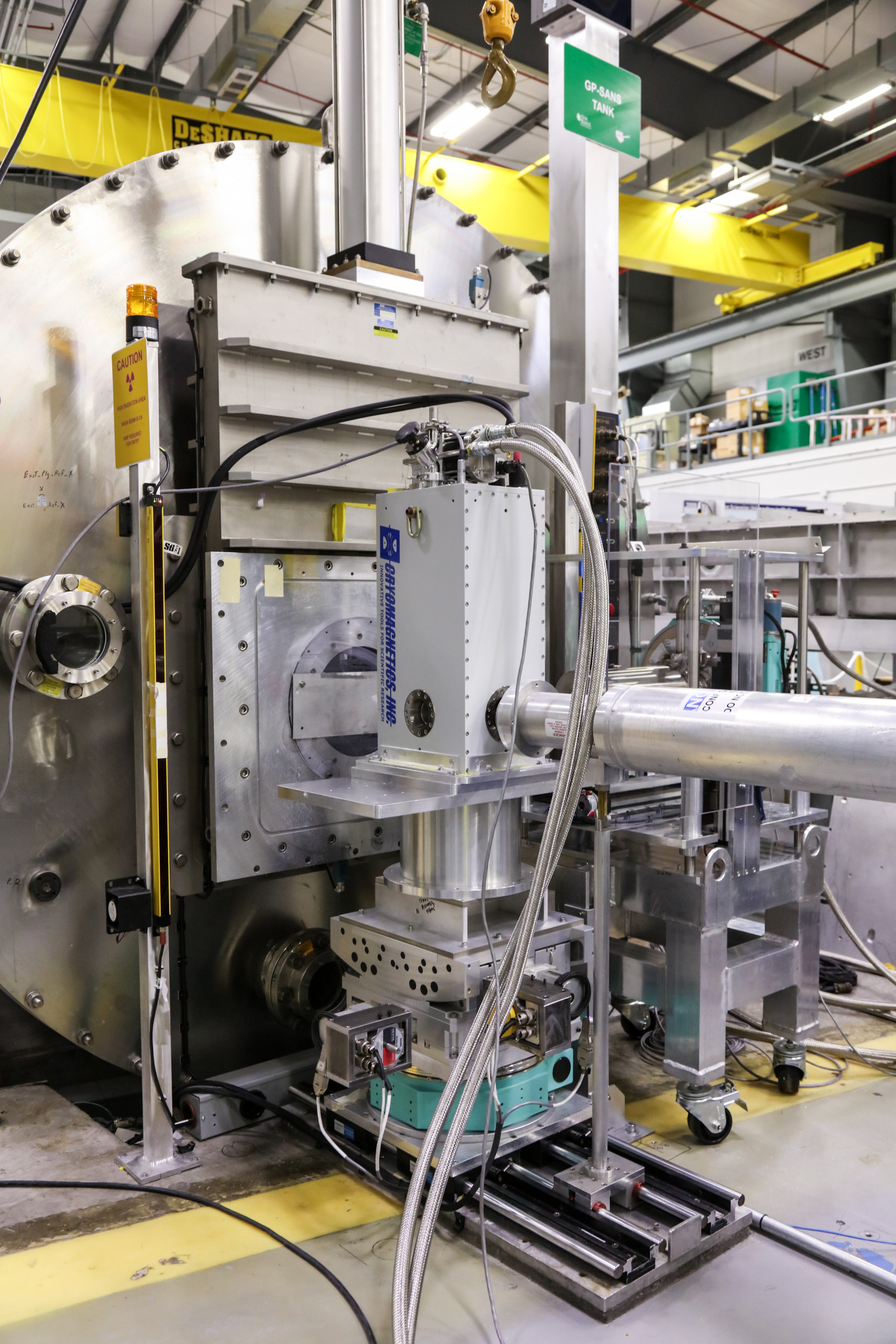
Mag-G
Mag-G can achieve an 11T field and has the capability to reach a minimum temperature of 0.05 K with a dilution refrigerator insert.
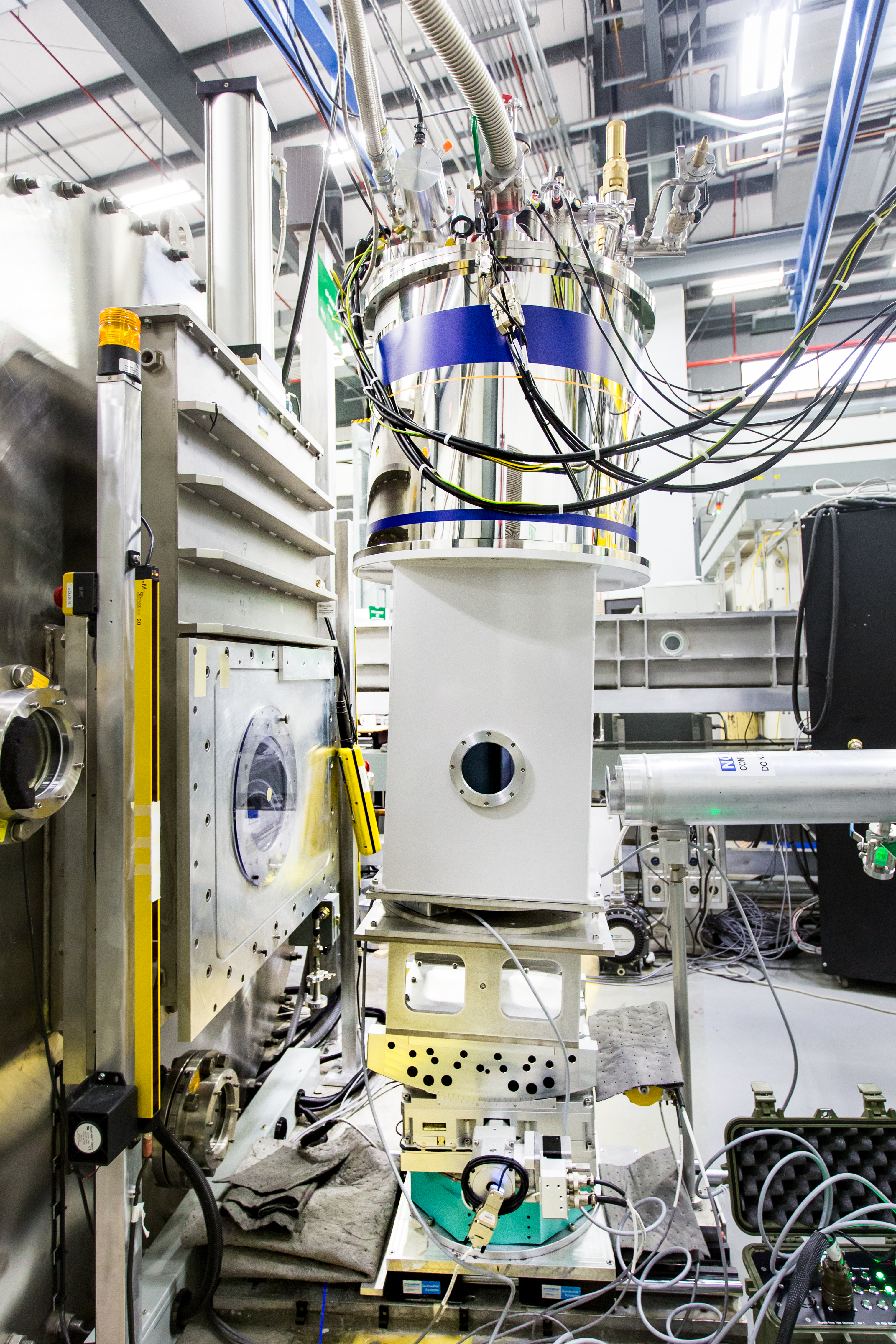
CONNECT WITH US







Oak Ridge National Laboratory is managed by UT-Battelle LLC for the US Department of Energy